Ad Blocker Detected
Our website is made possible by displaying online advertisements to our visitors. Please consider supporting us by disabling your ad blocker.
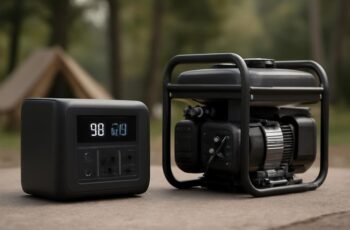
When comparing portable power stations and dual fuel generators, it’s essential to analyze their operational mechanisms, power capacity, and suitability for specific applications. Each offers distinct advantages and limitations that can considerably impact performance, efficiency, and long-term value. Understanding these differences allows us to select the right solution based on your specific needs, environment, and budget—yet, the decision isn’t as straightforward as it might seem at first glance.
Key Takeaways
- Portable power stations use rechargeable batteries and inverter technology, offering clean, quiet, and eco-friendly power.
- Dual fuel generators run on gasoline and propane, providing higher capacity and longer runtime for heavy-duty use.
- Power stations are compact, lightweight, and ideal for outdoor activities, while generators are bulkier and suited for prolonged, high-demand tasks.
- Power stations have higher upfront costs but lower maintenance and fuel expenses; generators are cheaper initially but incur ongoing fuel costs.
- Dual fuel generators deliver more power (3000-10,000W), whereas portable stations typically provide 1000-3000W, limiting heavy-duty applications.
How Do Portable Power Stations Work and What Are Their Main Benefits
While portable power stations may seem like simple devices, they operate through a sophisticated system that converts stored energy into usable electrical power. Central to their operation is advanced battery technology, often lithium-ion, which offers high energy density and longevity. These batteries store energy, which can be replenished via renewable energy sources like solar panels, making them environmentally sustainable. The power station’s inverter then converts direct current (DC) stored in the battery into alternating current (AC), compatible with most appliances. The main benefits include quiet operation, portability, and reduced emissions, especially when paired with renewable energy. This setup provides reliable, clean power for various applications, from outdoor adventures to emergency backup, emphasizing efficiency and eco-friendliness.
What Are Dual Fuel Generators and When Should You Use Them?
Dual fuel generators are versatile power sources that can operate on two different types of fuel, typically gasoline and propane, allowing users to switch seamlessly based on availability and cost considerations. They are especially useful in situations requiring reliable power with adaptable fuel options. When considering their application, focus on:
Dual fuel generators offer flexible, reliable power with seamless fuel switching for various needs.
- Fuel efficiency: Dual fuel generators often optimize fuel consumption, extending runtime and reducing operational costs.
- Noise levels: They tend to operate more quietly on propane, making them suitable for noise-sensitive environments.
- Flexibility: The ability to choose between fuels enhances usability during emergencies or in remote locations where fuel availability varies.
Use dual fuel generators when versatility, fuel efficiency, and noise reduction are priorities, especially for intermittent or auxiliary power needs.
Comparing Power Output: Which Option Is More Suitable for Heavy-Duty Needs
When evaluating power sources for heavy-duty applications, understanding their capacity to deliver sustained, high wattage output becomes paramount. Dual fuel generators typically outperform portable power stations in raw power, thanks to higher fuel efficiency and larger fuel tanks, enabling longer operation under heavy loads. Battery capacity in power stations limits their runtime but offers cleaner, quieter power delivery. To compare:
| Feature | Portable Power Station | Dual Fuel Generator |
|---|---|---|
| Max Wattage | 1000-3000W | 3000-10,000W |
| Fuel Efficiency | N/A | High |
| Runtime | Limited | Extended |
| Battery Capacity | 200-600Wh | N/A |
| Power Stability | Consistent | Variable |
For heavy-duty needs, dual fuel generators excel in sustained output and fuel efficiency, making them more suitable for prolonged, high-demand tasks.
Portability and Ease of Use: Which Device Fits Better Into Your Outdoor Lifestyle
Evaluating portability and ease of use requires examining how each device integrates into an outdoor lifestyle. Portable power stations excel with compact design, lightweight construction, and straightforward handling, making them ideal for quick setup and mobility. They typically feature built-in batteries with longer battery life, reducing dependency on external fuel sources. Noise levels are minimal, which preserves outdoor tranquility. In contrast, dual fuel generators tend to be bulkier, heavier, and require more effort to transport, limiting their portability. They offer flexible fuel options, but their operation often generates higher noise levels, potentially disrupting outdoor activities.
- Power station’s compactness and lightweight design enhance portability.
- Battery life ensures consistent power without frequent refueling.
- Noise levels are considerably lower in power stations, favoring outdoor environments.
Cost, Maintenance, and Fuel Flexibility: Which Offers Better Long-Term Value
While initial purchase price is a key consideration, evaluating long-term value requires examining ongoing costs, maintenance demands, and fuel flexibility. Our cost analysis shows that portable power stations typically have higher upfront costs but lower maintenance expenses due to fewer moving parts and no fuel requirements. In contrast, dual fuel generators often have lower initial prices but incur ongoing costs for fuel and regular maintenance. Fuel efficiency plays an essential role—power stations rely on stored or rechargeable energy, reducing fuel expenses, while generators depend on gasoline or propane, which can be less efficient and more costly over time. Ultimately, the better long-term value hinges on fuel availability, usage frequency, and maintenance commitments, making fuel flexibility and ongoing costs key factors in the decision.
Ideal Use Cases: When to Choose a Portable Power Station vs a Dual Fuel Generator
Choosing the appropriate power solution depends heavily on the specific application and operational context. For instance, we recommend a portable power station for:
- Emergency preparedness, where quick, silent, and portable power is vital, especially during outages or natural disasters.
- Renewable energy integration, such as solar-powered setups, where quiet operation and clean energy support sustainability goals.
- Short-term or mobile applications, including outdoor recreation or remote work sites, requiring lightweight and maintenance-free solutions.
Conversely, dual fuel generators excel in scenarios demanding higher power output, extended runtime, and fuel flexibility, making them ideal for prolonged outages or larger operational needs. Understanding these use cases ensures ideal, context-specific power management.
Key Factors to Consider When Making Your Decision
When selecting between a portable power station and a dual fuel generator, considering specific technical and operational factors is essential to making an informed decision. Battery life determines how long a power station can operate without recharging, impacting reliability during extended use. Noise levels are vital for environments requiring minimal disturbance, such as camping or residential areas.
| Factor | Consideration |
|---|---|
| Battery Life | Longer battery life favors power stations for portability and duration. |
| Noise Levels | Power stations are generally quieter, ideal for sensitive environments. |
| Fuel Dependence | Generators require fuel, affecting operational cost and availability. |
| Portability | Power stations are lighter and easier to transport, but generators offer higher power output. |
Frequently Asked Questions
How Long Do Portable Power Stations Typically Last on a Single Charge?
We find portable power stations typically last between 300 to 500 charging cycles, equating to roughly 3-5 years, depending on battery lifespan and usage intensity, before their capacity diminishes noticeably, impacting overall runtime on a single charge.
Are Dual Fuel Generators More Environmentally Friendly Than Portable Power Stations?
Think of dual fuel generators as roaring engines with a smoky trail, impacting emissions more than silent, eco-conscious portable power stations. They often have a higher emission impact, making them less environmentally friendly despite fuel versatility and power.
What Are the Noise Level Differences Between These Two Options?
Dual fuel generators typically produce higher noise emissions due to their internal combustion engines, while portable power stations operate more quietly, offering better noise level control, which can be vital for sensitive environments and extended use.
Can Portable Power Stations Be Charged via Solar Power?
Like a modern-day alchemist, we see portable power stations can indeed be solar charged, enhancing battery efficiency and sustainability. This eco-friendly method leverages renewable energy, making it a ideal choice for off-grid, long-term power needs.
How Do Maintenance Requirements Compare Over Their Lifespans?
We find portable power stations require minimal maintenance, mainly battery lifespan management, while dual fuel generators demand regular fuel efficiency checks, oil changes, and more extensive upkeep, making power stations more convenient over their lifespan.
Conclusion
In the end, choosing between a portable power station and a dual fuel generator is like selecting the right tool for a demanding job—each has its strengths and limitations. By evaluating your power requirements, environmental priorities, and mobility needs, you can make an informed decision. Remember, it’s not just about power, but about how that power aligns with your lifestyle and long-term goals—because in the domain of portable energy, the right choice can make all the difference.