Ad Blocker Detected
Our website is made possible by displaying online advertisements to our visitors. Please consider supporting us by disabling your ad blocker.
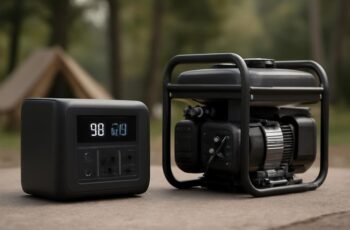
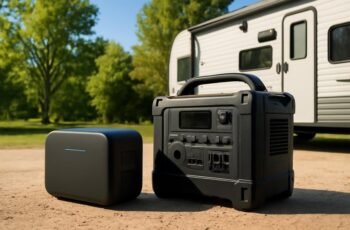
When silence is often considered golden, understanding the noise profiles of portable power sources becomes essential. We recognize that choosing between a quiet power station and a louder inverter generator involves more than just power output; it directly impacts outdoor comfort and environmental harmony. As we analyze their operational sounds, you’ll see how technical differences influence your decision— but the full picture hinges on balancing noise levels with your specific needs.
Key Takeaways
- Portable power stations produce significantly lower noise levels, typically emitting a gentle hum or fan sound, ideal for quiet outdoor settings.
- Inverter generators generate more noise due to engine operation, but use sound-dampening features to reduce decibels.
- Noise levels of portable power stations often range around 40-60 dB, while inverter generators can reach 60-70 dB or higher.
- Inverter generators’ variable engine speeds help decrease noise during low power demands, but generally remain louder than power stations.
- Portable power stations are more suitable for noise-sensitive environments, complying better with regulations and outdoor tranquility needs.
Understanding How Noise Levels Impact Your Outdoor Experience
While noise levels may seem like a minor consideration, they considerably influence the overall outdoor experience, especially when using portable power sources. Elevated noise from inverter generators often contributes to increased urban noise, disrupting the natural soundscape. This disturbance can interfere with the tranquility sought during outdoor activities and negatively affect local wildlife, which rely on acoustic cues for communication and navigation. Conversely, portable power stations typically produce markedly lower noise levels, minimizing urban noise pollution and wildlife disturbance. Understanding these impacts helps us evaluate the environmental and experiential consequences of each power source. Managing noise emissions is essential for preserving the serenity of outdoor environments and protecting wildlife habitats, ensuring that outdoor experiences remain peaceful and ecologically responsible.
How Portable Power Stations Operate and Their Typical Noise Output
Portable power stations operate using lithium-ion or lithium-polymer battery packs that store electrical energy for various applications. These batteries are engineered to optimize battery longevity, ensuring consistent performance over numerous charge cycles. Charging efficiency is a key factor; high-quality units minimize energy loss during recharging, prolonging battery life and reducing operational costs. The internal components, including power converters and inverters, convert stored DC power into AC or DC outputs with minimal noise, resulting in a quiet operation profile. Typically, power stations emit low-level operational sounds, often limited to a gentle hum or fan noise, which remains considerably quieter than inverter generators. This subdued noise output makes them ideal for outdoor use where minimal disturbance is desired.
The Mechanics Behind Inverter Generators and Their Noise Characteristics
Inverter generators utilize advanced inverter technology to produce stable, clean power with minimal fluctuations. Their noise reduction mechanisms include variable-speed engines and sound-dampening enclosures that adapt operation to load demands. Understanding these core functions clarifies how inverter generators achieve lower noise levels compared to traditional models.
Inverter Technology Functionality
Inverter technology operates through a sophisticated process that converts DC power into pure sine wave AC electricity, resulting in highly stable and clean power output. This process involves rapid modulation of inverter efficiency, allowing the generator to adjust its output based on load demands. By continuously varying the frequency and voltage, inverter generators maintain consistent power quality, which enhances battery longevity in portable power stations. The precise control over the output also reduces electrical noise, contributing to quieter operation. Additionally, the efficient conversion process minimizes energy loss, making inverter technology more effective and sustainable over extended use. Overall, this advanced functionality ensures reliable, clean power while optimizing the longevity of the system’s batteries and maintaining low noise levels.
Noise Reduction Mechanisms
Because noise levels are a critical consideration in portable power solutions, understanding the noise reduction mechanisms in inverter generators is essential. These generators utilize advanced soundproofing technology, incorporating acoustic insulation within their enclosures to minimize sound transmission. The design features variable speed operation, which adjusts the engine RPM based on power demand, substantially reducing noise during lower loads. Additionally, components are mounted with vibration dampers, further decreasing airborne and structure-borne noise. The integration of acoustic insulation materials absorbs sound waves, preventing them from escaping the generator housing. Together, soundproofing technology and precision engineering enable inverter generators to operate at quieter levels compared to traditional models, making them suitable for noise-sensitive environments.
Comparing Decibel Levels: What Does ‘Quiet’ Really Mean?
Decibel levels provide a measurable way to compare the noise output of portable power stations and inverter generators, but understanding what these numbers truly mean requires context. A lower decibel rating indicates a quieter device, yet the perception of noise also depends on noise frequency, which influences how we perceive sound intensity. For instance, higher frequency noise may seem more intrusive even at lower decibel levels. Additionally, battery efficiency impacts the power device’s operational noise, as more efficient batteries often produce less electrical noise during operation. When comparing decibel levels, it’s essential to consider both the raw measurement and how frequency components affect perceived quietness, ensuring an accurate understanding of what ‘quiet’ really entails for different power sources.
Factors That Influence the Noise Levels of Power Devices
The noise levels of power devices are primarily affected by their design and physical dimensions, which determine the mechanical components’ movement and vibration. Additionally, the operating environment—such as ambient noise, temperature, and ventilation—can influence perceived sound levels. Understanding these factors helps in evaluating and optimizing device performance in various conditions.
Device Design and Size
Device design and size play essential roles in determining the noise levels of portable power devices. Compact designs often feature integrated components that minimize vibration and sound propagation, reducing overall noise emissions. The aesthetic aspects of device design influence internal component placement, which can impact sound insulation and damping efficiency. Material durability also affects noise, as robust enclosures made from vibration-absorbing materials help contain operational sounds. Larger devices typically incorporate more substantial cooling systems, which may generate additional noise but can be engineered for quieter operation through optimized layout and soundproofing. Ultimately, thoughtful device aesthetics combined with durable materials lead to designs that effectively mitigate noise, enhancing user comfort without compromising performance.
Operating Environment Factors
Environmental conditions considerably influence the noise levels emitted by portable power stations and inverter generators. External factors such as ambient temperature, humidity, and airflow directly impact device operation, affecting noise output. For example, cooler temperatures enhance battery efficiency, reducing strain on the power source and minimizing noise during operation. Conversely, high humidity can cause components to work harder, increasing noise levels. Solar compatibility also plays a role; devices designed for solar input often operate more efficiently in stable, sunny environments, which can lead to quieter performance. Additionally, environmental conditions can influence cooling requirements, where inadequate airflow or obstructed vents may cause devices to overheat and generate more noise. Understanding these factors helps optimize device placement and operation for minimal noise impact.
Practical Scenarios: When Noise Levels Make a Difference
In scenarios where noise sensitivity is critical, understanding the sound levels of power sources becomes essential. For instance, in residential areas or quiet outdoor settings, lower noise levels can substantially impact comfort and compliance. Inverter generators tend to produce louder operational sounds, which may accelerate battery wear and increase recharge times, affecting overall lifespan and efficiency. Conversely, portable power stations operate quietly, minimizing disturbance and preserving battery health for longer periods.
| Scenario | Noise Level Impact | Consideration |
|---|---|---|
| Residential camping | Noise-sensitive environment | Inverter generators may be disruptive |
| Emergency situations | Quiet operation reduces stress and disturbance | Power station preferred |
| Recreational events | Noise can spoil ambiance | Power station offers quieter operation |
Tips for Choosing a Quiet Power Solution for Camping and Events
When selecting a quiet power solution for camping and events, we must consider noise regulations and permissible levels to guarantee compliance and minimize disturbance. Portability and ease of use are also critical, as equipment should be lightweight, simple to operate, and suitable for remote locations. Balancing these factors helps identify the most effective and unobtrusive power source for your specific environment.
Noise Levels and Regulations
Choosing a quiet power solution for camping and events requires careful consideration of noise levels and relevant regulations. Noise pollution can substantially impact both the environment and participant experience, making low decibel operation essential. Regulatory standards often specify maximum allowable sound levels, typically measured in decibels (dB), which vary by location. Sound insulation techniques can mitigate noise emission, but understanding a device’s rated noise level remains critical. Inverter generators generally produce less noise due to their design, often complying with stricter regulations. Portable power stations tend to be quieter but may have limitations in power output. Evaluating these factors ensures compliance with local noise ordinances and minimizes disturbance, ultimately selecting a power source that balances performance with sound mitigation for outdoor settings.
Portability and Ease of Use
Selecting a portable power solution for camping and outdoor events requires evaluating both its physical portability and operational simplicity. Portable power stations excel in this regard due to their compact design, lightweight construction, and integrated handles, making them easy to transport. They typically feature straightforward operation with minimal setup, simplifying their use in remote settings. Battery lifespan is a critical factor; longer-lasting batteries reduce the need for frequent recharging, enhancing convenience. Charging speed also impacts ease of use—faster recharge times allow quick turnaround between uses, minimizing downtime. Inverter generators, while generally heavier, offer consistent power output but may be less portable and more complex to operate. Ultimately, choosing a solution that balances portability with quick charging capabilities guarantees reliable, quiet power with minimal effort.
Innovations and Features That Reduce Noise in Portable Power Devices
Advancements in noise-reduction technology have considerably enhanced the usability of portable power devices, making them more suitable for quiet environments. Modern innovations focus on optimizing components to minimize operational noise without sacrificing performance. Key features include:
- Advanced cooling systems that reduce fan noise while maintaining battery longevity and charging efficiency.
- Silenced inverter technology that modulates power output precisely, decreasing acoustic emissions.
- Vibration isolation mounts which dampen mechanical noise from internal components.
- Smart power management algorithms that adjust operational load, reducing unnecessary noise during low-demand periods.
These features collectively improve user experience by lowering noise levels, all while ensuring efficient energy storage and delivery. Such innovations enable quieter operation without compromising device durability or recharge cycles.
Noise Regulations and Legal Considerations for Outdoor Power Equipment
As portable power devices evolve to operate more quietly through innovative noise-reduction features, attention increasingly shifts to the legal landscape governing their use. Noise pollution from outdoor power equipment is regulated by local, state, and federal authorities to mitigate environmental and public health impacts. Legal restrictions often specify permissible noise levels, typically measured in decibels, especially during certain hours or in specific zones such as residential or recreational areas. Compliance with these regulations is essential to avoid fines or equipment confiscation. Manufacturers and users must be aware of jurisdictional noise ordinances, which can vary widely. Understanding these legal considerations guarantees responsible operation, minimizing disturbances and aligning with environmental standards. Ignorance of such regulations can lead to legal liabilities and community conflicts.
Making the Right Choice: Balancing Power, Portability, and Quiet Operation
Choosing between a portable power station and an inverter generator requires a careful assessment of key factors such as power capacity, portability, and noise levels. To make an informed decision, consider the following:
- Battery efficiency greatly impacts runtime and overall energy management, especially when balancing charging speed and power output.
- Charging speed determines how quickly devices or the power station itself can be replenished, influencing operational continuity.
- Portability weighs heavily on size, weight, and ease of transport, essential for outdoor or mobile applications.
- Noise levels are critical for quiet operation, especially in noise-sensitive environments, where inverter generators typically produce more sound than power stations.
Prioritize these factors based on your specific needs to achieve an ideal balance of power, portability, and quiet operation.
Frequently Asked Questions
How Do Noise Levels Affect Battery Life in Portable Power Stations?
Noise levels minimally impact battery efficiency in portable power stations, but effective noise mitigation reduces strain on internal components, potentially extending battery lifespan and maintaining ideal performance over time.
Are Inverter Generators Safer for Sensitive Electronic Devices Than Portable Power Stations?
We believe inverter generators are safer for sensitive electronics due to their superior electromagnetic interference reduction and noise shielding. These technical features minimize potential damage, making them a more reliable choice for safeguarding delicate devices in varied environments.
What Maintenance Practices Help Reduce Noise From Inverter Generators?
We reduce inverter generator noise through sound insulation and vibration dampening techniques, such as installing rubber mounts and acoustic enclosures, regularly inspecting and tightening components, and performing routine maintenance to minimize operational vibrations and associated noise levels.
Can Ambient Environmental Noise Influence the Perceived Loudness of These Devices?
Ambient noise can considerably influence our perception of loudness from inverter generators and portable power stations. Higher environmental sounds may mask device noise, making it seem quieter, whereas quieter surroundings can heighten perceived loudness, affecting user experience and noise assessment.
How Do Different Brands Compare in Noise Performance for Portable Power Solutions?
Like knights in shining armor, top brands employ advanced noise reduction techniques, enhancing reputation. We find that reputable brands consistently outperform lesser-known ones in noise performance, ensuring quieter operation for portable power solutions under varied environmental conditions.
Conclusion
Ultimately, choosing between a portable power station and an inverter generator boils down to balancing power needs with noise sensitivity. Ironically, the quieter option often lacks the raw output of its louder counterpart, reminding us that silence comes at a cost—whether in volume or wattage. By understanding these nuances, we can make informed decisions that preserve tranquility without sacrificing functionality, proving that sometimes, the quietest choice is also the smartest.