Ad Blocker Detected
Our website is made possible by displaying online advertisements to our visitors. Please consider supporting us by disabling your ad blocker.
Imagine you’re planning a weekend camping trip and need reliable power for your devices. The decision between indoor and outdoor portable power stations hinges on more than just size; it involves understanding their distinct designs, safety considerations, and suitability for specific environments. As we analyze their features and limitations, you’ll see how selecting the right model can impact both safety and performance in your intended use. Let’s explore what sets these options apart and how to choose the best fit.
Key Takeaways
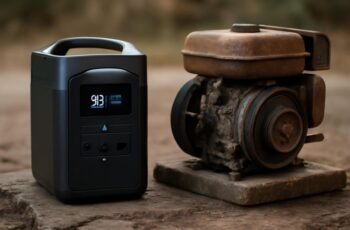
- Indoor power stations prioritize safety, quiet operation, and lower capacities for household electronics; outdoor units focus on durability and higher power for rugged conditions.
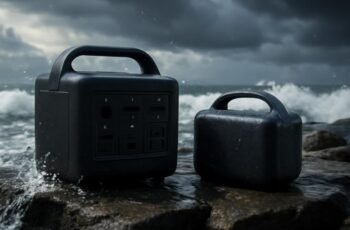
- Outdoor stations are weather-resistant, rugged, and designed for portability in harsh environments, while indoor units are compact and optimized for indoor safety and efficiency.
- Indoor models typically have smaller capacities suited for light use, whereas outdoor units offer larger capacities for high-demand, off-grid applications.
- Both indoor and outdoor stations feature flexible recharging options like solar or car adapters to enhance versatility.
- Safety, environmental resilience, and device compatibility are crucial factors when choosing between indoor and outdoor portable power stations.
How Do Indoor and Outdoor Portable Power Stations Differ in Design and Features
Although indoor and outdoor portable power stations serve similar functions, their designs and features vary considerably to meet different environmental demands. Indoor models typically emphasize optimized charging efficiency, allowing rapid recharging and sustained power output, which extends battery lifespan through controlled conditions. Conversely, outdoor units prioritize ruggedness and weather resistance, often incorporating durable enclosures that safeguard internal components from elements, but this can impact charging efficiency due to additional protective features. The design choices influence battery longevity; indoor stations often use advanced thermal management to preserve battery health, while outdoor stations balance durability with efficient energy transfer. Overall, these distinctions reflect targeted adaptations, ensuring each station type maximizes performance and lifespan within its intended environment.
Which Use Cases Are Best Suited for Indoor vs Outdoor Power Stations
When determining suitable use cases, safety considerations, power capacity requirements, and environmental conditions are critical factors. Indoor applications demand features that prioritize safety and lower power loads, while outdoor use often involves harsher conditions and higher capacity needs. Analyzing these points helps identify which power station type best fits specific scenarios.
Safety Considerations
Indoor and outdoor portable power stations differ considerably in safety considerations, primarily due to their operating environments and potential hazards. Indoor use demands strict attention to battery maintenance, as improper handling can lead to overheating or emissions in confined spaces. Ensuring power source compatibility with indoor electrical systems reduces risks of overloads or short circuits. Conversely, outdoor stations must withstand environmental factors like moisture, dust, and temperature fluctuations, increasing the risk of component degradation. Safety protocols for outdoor use emphasize robust enclosure design and protective measures against electrical faults caused by external elements. Both settings require adherence to manufacturer guidelines, but indoor applications prioritize safe battery maintenance, while outdoor use emphasizes resilient construction and compatibility with diverse power sources to mitigate hazards effectively.
Power Capacity Needs
Have you considered how power capacity requirements influence the choice between indoor and outdoor portable power stations? For high-demand applications, capacity is critical; outdoor stations often feature larger batteries, supporting extended use and sustaining devices with greater power needs. Battery life becomes a key factor, as larger capacity ensures longer operational periods, especially in off-grid scenarios. Conversely, indoor stations typically prioritize quick charging speeds to facilitate frequent, short-term use, such as powering household electronics or backup systems. When selecting a power station, evaluating the required runtime and device power draw helps determine whether capacity or rapid rechargeability takes precedence. Ultimately, matching the power station’s capacity to your specific use case ensures reliable, efficient performance, whether indoors or outdoors.
Environmental Conditions
Environmental conditions play a crucial role in determining whether an indoor or outdoor portable power station is most suitable for a given use case. Weather resistance is critical outdoors, as exposure to moisture, dust, and temperature fluctuations demands robust construction and sealing. Outdoor units must withstand harsh conditions without compromising performance. Conversely, indoor environments typically lack severe weather challenges, allowing for less rugged designs. Noise levels also influence suitability; outdoor stations often operate louder due to higher power output needs, which can be disruptive indoors. Indoor units generally prioritize quieter operation to maintain comfort and safety. Ultimately, understanding these environmental factors helps us choose the right power station, ensuring ideal performance, durability, and user experience tailored to specific environmental conditions.
What Safety Considerations Should You Know for Indoor and Outdoor Models
Ensuring proper ventilation is critical to prevent heat buildup and reduce fire risk in both indoor and outdoor models. Correct handling and storage of power stations, including avoiding physical damage and exposure to moisture, are essential safety practices. By understanding these factors, users can minimize hazards and maintain ideal operation.
Proper Ventilation Requirements
Why is proper ventilation critical when using portable power stations indoors and outdoors? Adequate ventilation airflow ensures that heat generated during operation dissipates efficiently, preventing thermal buildup and potential equipment failure. Proper exhaust requirements are essential to remove harmful gases and prevent oxygen depletion, especially in enclosed spaces. Insufficient ventilation can lead to unsafe conditions, including fire hazards and toxic exposure. Key considerations include:
- Guaranteeing unobstructed airflow around vents
- Maintaining adequate distance from combustible materials
- Regularly inspecting exhaust outlets for blockages
- Using models with built-in cooling systems
- Monitoring ambient temperature to optimize ventilation
Correct Handling and Storage
Proper handling and storage of portable power stations are essential to maintaining safety and prolonging equipment lifespan. Adhering to correct charging protocols prevents overcharging or deep discharging, which can degrade battery longevity. For indoor models, store units in a cool, dry environment away from heat sources and moisture to minimize risks of corrosion or thermal runaway. Outdoor models require secure, weather-resistant storage, preferably in a location shielded from extreme temperatures and direct sunlight. Proper handling involves avoiding impacts, drops, or improper connections that could damage internal components or compromise safety. Regularly inspecting batteries for signs of swelling, corrosion, or damage ensures safe operation. Ultimately, consistent adherence to these handling and storage practices optimizes performance, extends device lifespan, and mitigates safety hazards.
How to Choose the Right Portable Power Station for Your Needs
Choosing the right portable power station hinges on evaluating your specific energy requirements and intended applications. We must consider factors like battery longevity, which determines how long your device can operate without recharging, and portability factors, including size, weight, and handle design. Key considerations include:
- Power output capacity aligned with your devices’ wattage needs
- Battery chemistry and cycle life for durability over repeated charges
- Weight and form factor for ease of transport
- Recharging options and speed for flexibility
- Additional features like multiple outlets or solar compatibility for versatile use
Pros and Cons of Indoor Portable Power Stations
Indoor portable power stations offer a convenient and silent energy source for a variety of applications, but they also come with specific limitations that must be carefully considered. One advantage is their low noise levels, making them suitable for quiet indoor environments without disturbing occupants or workflows. However, their battery longevity can be a concern, as frequent charging cycles and high usage may accelerate battery degradation over time. This impacts long-term cost efficiency and reliability. Additionally, indoor units often have limited power output compared to outdoor models, restricting the size of devices they can support. While their compact, quiet operation makes them ideal for indoor use, users must weigh these factors against potential trade-offs in battery lifespan and power capacity.
Pros and Cons of Outdoor Portable Power Stations
Outdoor portable power stations provide a versatile energy solution for remote or off-grid applications, but they present distinct advantages and challenges that users must consider. Their portability features enable easy transport across varied terrains, making them ideal for camping, emergency use, or construction sites. However, battery life can be a limiting factor, especially under heavy loads or extended use, requiring careful capacity assessment. Additionally, durability against environmental elements is essential, as exposure to moisture or dust can impair performance. The compact design enhances mobility but may trade off power output. Charging options are often flexible, supporting solar or car adapters. Ultimately, while outdoor stations excel in portability, users should balance battery capacity and environmental resilience when selecting a model.
Frequently Asked Questions
How Long Do Portable Power Stations Typically Last Before Needing Replacement?
Portable power stations typically last 3-5 years, depending on battery longevity and usage patterns. Replacement frequency hinges on the number of charge cycles and maintenance, but quality units can extend lifespan through proper care and peak operation.
Can Portable Power Stations Be Operated While Charging Simultaneously?
Certainly, portable power stations can be operated while charging, provided charging safety and power source compatibility are maintained. We recommend monitoring temperatures and ensuring connections are secure, ensuring seamless, safe synchronization of charging and powering activities for peak operation.
Are There Environmental Impacts Associated With Using Portable Power Stations?
Using portable power stations impacts the environment by contributing to the overall footprint, but opting for renewable options like solar-charged units reduces this. We analyze these impacts to promote sustainable usage and minimize environmental harm.
What Maintenance Is Required to Keep Portable Power Stations in Optimal Condition?
To maintain ideal condition, we regularly monitor battery lifespan and limit charging cycles, ensuring proper storage, avoid deep discharges, and keep the power station clean and cool to prolong performance and reliability.
How Do Power Station Capacities Affect Their Portability and Usability?
Higher capacity power stations often have longer battery life, enhancing usability, but can reduce portability due to increased weight. Improved charging efficiency mitigates this, enabling us to balance capacity with ease of transport for peak performance.
Conclusion
In steering the landscape of portable power stations, we find ourselves choosing between a gentle stream of reliable indoor energy or a rugged river of outdoor resilience. Each has its unique rhythm and purpose, blending safety, capacity, and durability. By carefully analyzing our specific needs and environments, we can harness the right power source—ensuring our energy flow remains steady and seamless, like a well-orchestrated symphony in the quiet of our chosen domain.