Ad Blocker Detected
Our website is made possible by displaying online advertisements to our visitors. Please consider supporting us by disabling your ad blocker.
We could power every camp gadget with a portable power station—if we size it right, we’ll actually stay charged through the night. We’ll map loads to inverter watts, buffers for surges, and plan for recharging with outlets or solar. We’ll keep safety and care front and center, inspecting connections and using the recommended adapters. But the details matter: how big, how long, and how to maintain it under real camping and emergency conditions. Let’s tackle those specifics next.
Key Takeaways
- Yes, portable power stations store and deliver AC/DC power for camping and emergencies, with multiple output ports for devices.
- Match the inverter size and battery capacity to your loads (LEDs, laptops, routers) and plan for peak surges.
- Consider safety features, proper charging methods, and emergency shutdown procedures for reliable use.
- Plan runtimes with amp-hour calculations, temperature, and state of charge to avoid overestimation.
- Choose a model with appropriate ports and charging options to fit your camping or home backup needs and budget.
What Is a Portable Power Station? How It Works
A portable power station is a compact, rechargeable battery pack with built‑in power conversion and multiple output ports, designed to provide electricity on demand. We explain its core function in plain terms: energy storage, controlled delivery, and safety management. Inside, cells form a battery chemistry that determines capacity, discharge rate, and cycle life. Circuits convert DC stored energy to AC or regulated DC for devices, while protection features guard against short circuits, overtemp, and overdischarge. We rely on intelligent battery management to monitor health, voltage, and temperature, ensuring reliable operation during portable charging. Output ports vary by model, offering USB, USB‑C, AC, and automotive options. Practical behavior hinges on efficient conversion, thermal management, and accurate energy budgeting for camping or emergencies.
What Can It Run? Real-World Use Cases and Limits
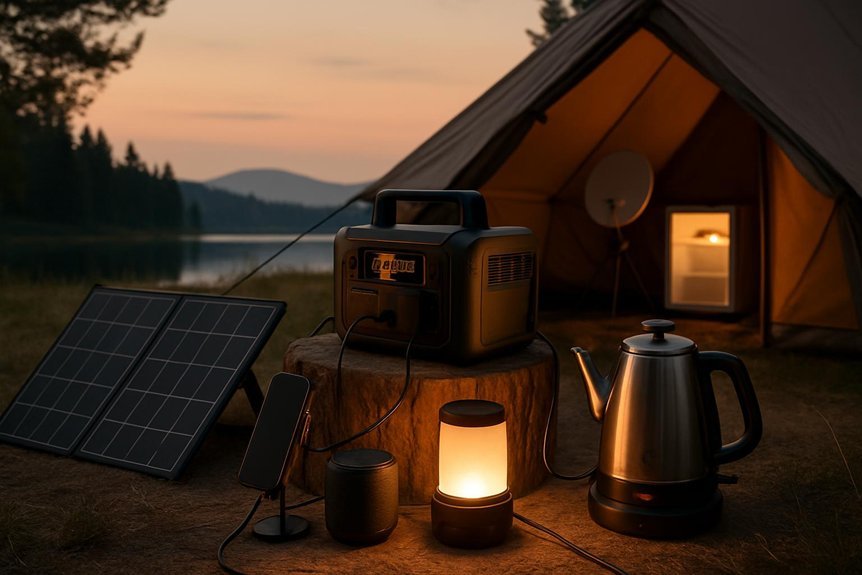
Portable power stations aren’t just batteries; they’re intended to run real-world devices in camping and emergency scenarios. We, as readers, want clear limits and reliable performance. In practice, we prioritize devices with steady, modest draw: LED lights, laptops, routers, small fans, and smartphone chargers while avoiding heavy inductive loads. We assess continuous watts (W) vs surge watts, noting that tools like power drills or microwaves exceed portable units’ bursts. Temperature, state of charge, and cycle life affect runtimes. For disaster readiness and off grid living, we map essentials to battery capacity and inverter size, planning fallback options if peak loads spike. We caution against running high-energy heaters or air conditioners without appropriate capacity. Real-world use hinges on matching devices to sustained output, while respecting safety margins and manufacturer guidance.
Size It Right: Quick Sizing for Camping and Home Backup
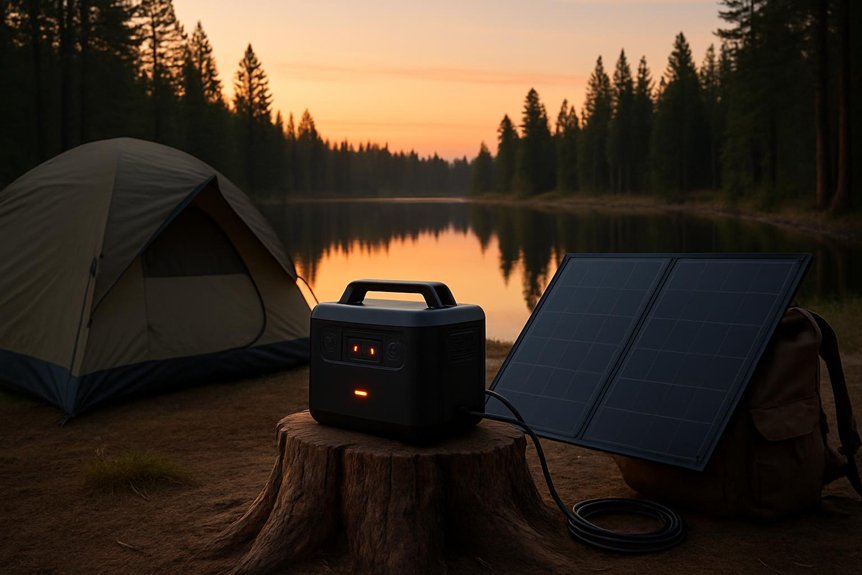
We’ll size it fast by matching target loads to inverter watts and battery capacity, then add a safe margin for surge and temperature. We align device watts with inverter rating, then verify runtime with amp-hour math. We avoid overestimating or underloading, which creates sizeing pitfalls that bite during trips or outages. We also factor recharge pitfalls: not every pack refuels the same, so plan for energy buffers and practical recharge cycles.
- Precisely match essential loads and peak surges to inverter limits
- Build in a conservative buffer for seasonal temperature and high-draw events
- Anticipate recharge constraints with realistic daily usage and charging windows
Safety, Charging, and Care for Long-Term Reliability
How can we guarantee long-term reliability while keeping safety and charging practical? We assess cycles, proper storage, and proactive maintenance to minimize degradation. We establish safety training for all operators, emphasize correct handling, venting, and emergency shutdown procedures. Charging practices focus on optimal voltage, temperature ranges, and rated adapters to extend life. Regular self-checks detect impedance shifts, cell imbalance, and connector wear before failures occur. For disposal, we follow battery disposal guidelines and recycling channels to prevent hazards. Below is a quick reference table.
| Category | Action | Rationale |
|---|---|---|
| Safety training | Train users | Reduces mishandling risk |
| Charging | Use specified adapters | Maximizes efficiency and cycles |
| Storage | Cool, dry, partial charge | Preserves cells |
| Maintenance | Inspect connectors | Prevents arcing |
| Battery disposal | Follow regulations | Environmental safety |
Compare Models: Features, Prices, and Your Use Case
To choose the right portable power station, we compare models by capacity, output options, charging speed, and dedicated ports, then map those specs to your use case. We assess runtime confidence, peak wattage, and inverter type to ensure reliability in camping or emergencies. Price-to-performance matters: feature sets must justify costs and future needs. Charging etiquette matters too, as device begs careful port selection and proper recharging cadence to extend life. For each model, we weigh application fit: lightweight backpacking, RV power, or home backup. We prioritize safety guards, battery chemistry, and warranty support. Our goal is a transparent match between capability and budget.
- Clear, objective comparisons that align with your scenarios
- Honest price/value signals without hype
- Practical guidance for optimal charging habits
Frequently Asked Questions
How Long Can I Run a CPAP on a Power Station?
We can run a CPAP on a power station for about 4–8 hours, depending on pressure and heater use. We recommend portable charging, camping power safety, efficient settings, and battery capacity checks before each trip.
Can I Charge From a Vehicle While Driving?
We can, but we’ll note safety and vehicle power limits first. Charging while driving is feasible with a proper inverter and DC-DC charger; solar charging considerations aside, we’ll ensure fuel-efficient use and avoid vehicle alternator overload.
Are Power Stations Safe for Kids and Pets Outdoors?
Yes, power stations can be safe outdoors for kids and pets when we ensure safe storage and childproof use, keep devices out of reach, supervise access, and follow manufacturer safety guidelines to prevent hazards and overheating.
Do Inverters Produce Noisy or Vibrating Operation?
Yes—our inverters can produce some noise and vibration under load, but it’s typically minimal. We monitor inverter heat and battery life closely, ensuring efficient cooling and stable performance during camping or emergencies.
What About Warranty and Service in Remote Camping Areas?
We provide warranty coverage details and explain service accessibility, even in remote camping areas. We’ll outline claim processes, required documentation, and expected timelines, while clarifying exclusions, transferability, and regional support limitations to help you plan confidently.
Conclusion
We’ve shown that a portable power station can power camping trips and emergencies, but not every model fits every need. Juxtaposing simplicity and capability, we crave light duty for small devices yet demand rugged battery longevity for outages. Size matters: tiny packs bustle with USBs, larger units handle laptops and refrigeration. Balance cost against risk: surge tolerance, charging options, and storage. In short, match specs to loads, respect safety, and plan recharge cycles—then stay ready, not overwhelmed.