Ad Blocker Detected
Our website is made possible by displaying online advertisements to our visitors. Please consider supporting us by disabling your ad blocker.
We want to be clear: portable power stations can be safe indoors if we follow strict guidelines, choose the right chemistry, and use approved charging gear. We’ll keep units on noncombustible, flat surfaces, ensure ventilation, and avoid enclosed spaces or high heat. We’ll monitor temps, inspect for damage, and never chain-charge or leave them unattended. But real-world risks vary with use and setup, so we should examine the specifics that matter here. Let’s consider what that means for your space.
Key Takeaways
- Yes, they can be safe indoors if used according to manufacturer guidance and within rated temperature, ventilation, and load limits.
- Use dedicated, well-ventilated indoor spaces away from heat sources, moisture, dust, and high-traffic areas.
- Ensure proper safety features and avoid daisy-chaining chargers; monitor temperature and stop charging if units warm.
- Prefer noncombustible, flat surfaces with unobstructed airflow; keep vents unblocked and inspect for damage before use.
- Maintain regular monitoring of temperature, emissions, and air quality; use adequate ventilation and avoid sealed or cluttered rooms during charging.
Portable Power Stations Indoors: Safety Criteria
Are portable power stations safe to use indoors? We approach indoor use by defining clear safety criteria that balance usefulness with risk. First, we assess electrical output and heat generation, ensuring portable charging stays within the unit’s rated continuous load and temperature range. We verify ventilation and avoid enclosures that trap heat or fumes. Next, we consider moisture, dust, and accidental impact—indoor placement should be away from sinks, showers, and high-traffic paths. We require safety features like overcurrent protection, short-circuit detection, and automatic shutoff on abnormal temperatures. We document manufacturer guidance, testing standards, and real-world performance data to support decisions. Finally, we emphasize maintenance: inspect vents, clean lint, and replace damaged cables promptly to minimize incident risk.
Battery Chemistries and Indoor Risk
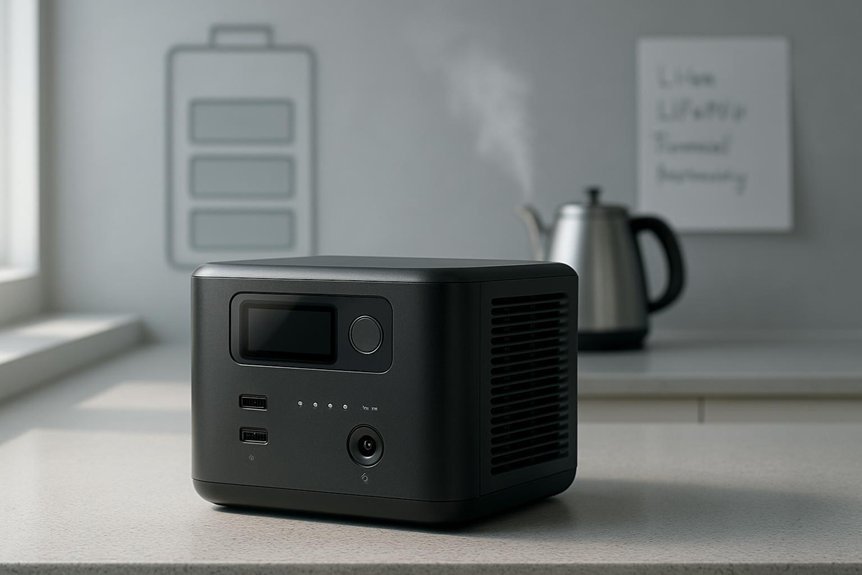
We assess how different battery chemistries influence indoor safety, including failure modes, thermal runaway risk, and emission profiles. We’ll consider which chemistries emit toxins or particulates under fault conditions and how their fire behavior compares in enclosed spaces. Proper ventilation, charging guidelines, and device design choices help us manage these risks in real-life use.
Battery Chemistry Risks
Battery chemistry matters because different chemistries carry distinct safety profiles that affect indoor use. We, as readers and users, should recognize that lithium-ion cells common in portable power stations can pose thermal and fire risks if damaged, misused, or charged improperly. We review evidence showing that cathode and electrolyte choices influence runaway potential, flame propagation, and gas generation. Nickel manganese cobalt chemistries may offer balance but still require thermal management, while lithium iron phosphate can reduce some risk, it doesn’t eliminate it. We also consider battery aging, puncture, and overcharging scenarios that elevate hazard. Our guidance prioritizes prevention, proper charging, manufacturer guidance, and monitoring for abnormal heat. Remember, battery chemistry shapes the baseline risk, not absolute safety, indoors. Indoor emissions remain a separate, important focus for later discussion.
Indoor Emission Considerations
Indoor emissions matter because different chemistries produce gases and particulates that can accumulate indoors if the unit vents, vents poorly, or fails. We must assess risks by chemistry, cycle life, and containment, not just capacity. Our guidance emphasizes practical safeguards and evidence-based limits to minimize exposure during normal use and small-scale failures.
- Battery chemistry differences influence toxic gas and particulate profiles
- Li-ion risks relate to venting, thermal runaway, and enclosure integrity
- Lead-acid and LiFePO4 have distinct emission and corrosion footprints
- Off-grid safety concerns demand proper charging, placement, and monitoring
- Portable bans considerations vary by jurisdiction and risk tolerance
These points help us prioritize safe, informed choices for indoor use and minimize off grid safety gaps.
Ventilation and Safety
How does ventilation intersect with safety when different battery chemistries are used indoors? We approach ventilation as a risk-control measure, not a convenience. Different chemistries emit distinct byproducts during charging, discharging, or thermal events, so we tailor our approach accordingly. In practice, portable ventilation helps dilute and remove heat, fumes, and particulate that can accompany lithium-ion, solid-state, or lead-acid systems, reducing exposure and ignition risk. We monitor indoor CO2 as a proxy for overall air exchange; elevated levels suggest poor ventilation and higher reliance on the device’s safety features. Never rely on a single mitigation method—combine enclosure controls, airflow, and battery management systems. Regularly verify that vents aren’t blocked and that airflow remains consistent during operation and charging.
Heat and Ventilation for Indoor Use
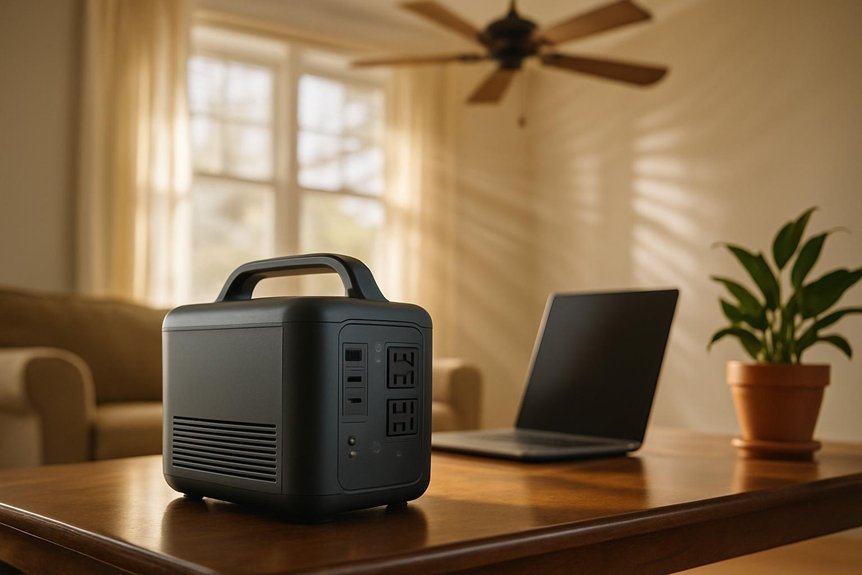
What heat and ventilation realities should we expect when using portable power stations indoors, and why do they matter for safety?
We know that indoor heat can build when charging or discharging, so we stay mindful of ambient limits and device temperatures. Battery ventilation matters because most packs vent gases or heat; poor airflow can raise risk of thermal buildup. We recommend placing units away from walls, keeping them on hard surfaces, and avoiding enclosed niches. Use a dedicated, well-ventilated area during use and charging. Monitor outlet load and avoid extension cords that trap heat. If you notice warmth, pause charging and reassess placement.
- Adequate airflow near the unit is essential
- Avoid confined spaces or cabinets
- Check temperature readings and stop if elevated
- Keep away from flammables
- Prefer low-humidity environments
Emissions and Air Quality While Charging Indoors
As charging indoors can release not just heat but gases and particulates from battery cells, we need to contemplate emissions and indoor air quality alongside temperature and ventilation. We focus on practical risk, not hype: we should monitor for signs of elevated exposure, such as irritation or headaches, and limit run times if thresholds might be approached. Emission thresholds vary by chemistry and device, but conservative limits emphasize minimizing exposure and maximizing dilution. Ensure steady indoor ventilation, with cross-vent or mechanical exchange to reduce concentrations quickly. We recommend using the smallest feasible unit for the task and avoiding sealed rooms during prolonged charging. Keep windows cracked or use a fan-assisted setup, and verify manufacturer guidance on permissible indoor use to stay within safe limits. Regular checks support safer, informed decisions.
Safe Indoor Setup and Charging Practices
Is indoor charging truly safe, or is there more to contemplate than just plugging in? We approach setup and charging with a practical mindset, balancing convenience with rigorous risk assessment and fire prevention. We’ll outline concrete steps to minimize hazards, from placement to monitoring, so you can use portable power stations confidently indoors.
- Place units on noncombustible, flat surfaces away from fabrics and vents
- Use manufacturer-approved chargers and avoid daisy-chaining multiple batteries
- Maintain unobstructed clearance for heat dissipation and airflow
- Inspect for damage, bulging, or unusual smells before each use
- unplug during long absences and implement a continuous safety check routine
Common Indoor-Use Mistakes and Quick Fixes
We’ll walk through common indoor-use mistakes and quick fixes that reduce risk and protect equipment. You’ll see practical, evidence-based tips on staying within safe ventilation, avoiding overloading outlets, and addressing heat or odor issues before they escalate. If we spot a mistake, we’ll share a fast, effective fix to keep power stations safer for everyday indoor use.
Indoor Safety Basics
Have you checked where you’re plugging in lately? We’re focusing on practical, evidence-based safety to minimize risk indoors. Our goal is to keep portable charging routines predictable and within safe limits, especially in common indoor locations. By identifying hazards and applying quick fixes, we reduce overheating, sparks, and fire risk. We’ll emphasize ventilation, avoidance of clutter, and regular inspections of cables and adapters. When used thoughtfully, these steps help us maintain safe operations without sacrificing convenience.
- Use a dedicated circuit or surge-protected outlet in a clear indoor location
- Keep vents unobstructed and away from fabrics or paper
- Inspect cables for wear, replace damaged components immediately
- Avoid charging on beds, sofas, or stacked surfaces
- Never leave charging units unattended for extended periods
Common Mistakes to Avoid
Common indoor-use mistakes can quietly undermine safety, so let’s zero in on what to avoid and quick fixes that work. We illuminate risks like portable hazards and indoor ignition, then cut through vague advice with concrete checks. One, never overload outlets or daisy-chain units with adapters. Two, avoid storing devices where heat, dust, or moisture concentrate. Three, skip charging near curtains, bedding, or paper. Four, don’t ignore detector alarms or manufacturer guidance. Five, keep batteries at proper temperatures and avoid disassembly.
| Risk | Quick avoidance |
|---|---|
| Overload/heat | Use dedicated circuits and avoid extension cords |
| Poor storage | Store upright, cool, dry, away from flammables |
Quick Indoor Fixes
We’ve covered common indoor-use mistakes, so let’s focus on fast, practical fixes you can implement now. We stay safety-minded, insisting on simple checks that reduce indoor emissions, improve air quality, and lower risk of thermal runaway. Quick adjustments matter: verify ventilation design, ensure proper charging safety, and monitor thermal management for hot spots and odd noises. We also guard against plug standards mismatches and flicker hazards that can irritate eyes and nerves. With steady habits, you minimize indoor noise and limit battery chemistry risks before they escalate.
- Ensure proper ventilation during use and charging
- Inspect for flicker hazards from lighting and devices
- Use manufacturer-recommended charging equipment
- Monitor temperature and avoid hot surfaces
- Validate plug standards and avoid daisy-chains
Frequently Asked Questions
Can Portable Power Stations Cause Electrical Fires Indoors?
Portable power stations can cause electrical fires indoors if misused, overloaded, or damaged. We assess risks, follow manufacturer guidelines, ensure proper ventilation, and use certified devices responsibly to protect indoor safety and reduce fire hazards.
Are PPS Safe Around Children and Pets Indoors?
Yes, they’re safer with careful use, but we still guard kids and pets. We’ll prioritize indoor ventilation and noise considerations, follow guidance, limit exposure, and monitor for overheating or odor—staying evidence-based and risk-focused together.
Do Warranties Cover Indoor Use Incidents or Damages?
We’ll answer: whether warranties cover indoor use incidents or damages. Indoor warranty terms vary, so check your rider; many exclude misuse. We follow safety protocols, document incidents, and contact support promptly; evidence-based practices reduce risk and protect consumers.
How Do Temperature Fluctuations Indoors Affect Battery Life?
Yes, indoor temperature fluctuations accelerate battery degradation and increase overheating risk; keep consistent temps, ensure ventilation, and monitor ventilation needs to avoid overheating. We’ll track data, compare specs, and adjust usage to minimize indoor temperature impact.
Can USB-C and AC Charging Coexist Indoors Safely?
Yes, usb c charging and ac charging can coexist indoors, but with precautions. We recommend monitored, dedicated outlets, updated surge protection, proper ventilation, and avoiding heat buildup; indoors safety depends on device temps, charging rates, and manufacturer guidelines.
Conclusion
We’re confident that portable power stations can be used indoors safely, but only with strict, evidence-based precautions. Follow manufacturer guidance, use proper charging gear, and keep the unit on noncombustible, ventilated surfaces away from fabrics. Monitor temperatures, inspect for damage, and avoid daisy-chaining or unattended charging. Think of emissions and heat as a blueprinted risk; address them with good airflow and regular checks. With discipline, indoor use becomes a measured, safe rhythm rather than a gamble.