Ad Blocker Detected
Our website is made possible by displaying online advertisements to our visitors. Please consider supporting us by disabling your ad blocker.
When evaluating backup power options, we recognize that portable power stations and grid-tied systems serve distinct needs, each with specific advantages and limitations. Understanding these differences is essential for making an informed decision aligned with your technical requirements, budget, and long-term goals. As we examine their respective features, costs, and operational complexities, it becomes clear that selecting the appropriate solution requires a nuanced analysis that balances immediate flexibility against permanent reliability.
Key Takeaways
- Portable power stations are mobile, lightweight, and ideal for outdoor or emergency use, while grid-tied systems are stationary and integrated into existing infrastructure.
- Grid-tied backup systems provide continuous, reliable power during outages and are scalable for larger capacity needs.
- Portable units have lower upfront costs, simple installation, and minimal maintenance, unlike the complex setup and higher investment of grid-tied systems.
- Grid-tied systems support renewable energy integration and expansion, whereas portable stations may rely solely on stored battery energy.
- The choice depends on mobility needs, budget, scalability, and whether continuous backup or emergency use is the priority.
Understanding the Key Differences Between Portable Power Stations and Grid-Tied Systems
While both portable power stations and grid-tied systems serve as reliable energy sources, they differ fundamentally in design, functionality, and application scope. Portable power stations typically utilize lithium-ion or lithium-polymer battery chemistry, offering high energy density and fast rechargeability, making them suitable for mobile use. Their power capacity varies widely, generally ranging from a few hundred watt-hours to several kilowatt-hours, depending on the model. In contrast, grid-tied systems leverage the stabilized power grid to supply energy, with capacity determined by the size of the solar array or backup generator. These systems do not rely solely on internal battery chemistry but often incorporate large-scale batteries for energy storage, enabling power supply during outages. Understanding these distinctions clarifies their respective roles in energy resilience.
Assessing Your Power Needs: Which Backup Solution Fits Your Lifestyle?
To determine the ideal backup solution, we must analyze our energy consumption patterns to identify peak loads and typical usage. We also need to evaluate portability and convenience, examining how often and where we require power during outages. By systematically appraising these factors, we can select the most efficient and practical backup system for our lifestyle.
Energy Consumption Patterns
Have you accurately quantified your typical energy consumption to determine the most suitable backup system? Understanding your consumption patterns is essential for optimizing energy efficiency and integrating renewable energy sources effectively. Examining your usage over various periods to identify peak demands and average loads, ensuring your backup solution can sustain essential appliances without overcapacity. Grid-tied backup systems are better suited for high, consistent loads, while portable power stations excel in supporting lower, variable demands. Precise data enables us to select a system that minimizes energy waste and maximizes renewable energy integration. By evaluating these patterns, we can tailor backup solutions to match our lifestyle, ensuring reliability while promoting energy efficiency and reducing environmental impact.
Portability and Convenience
Determining the right backup solution requires a clear assessment of our portability and convenience needs, as these factors directly influence system selection based on lifestyle and usage scenarios. Portable power stations excel in mobility, leveraging advanced battery technology for lightweight, rechargeable units suitable for outdoor and emergency use. Grid-tied systems, while less portable, offer seamless integration with renewable energy sources, providing consistent backup without manual intervention. Considerations include:
| Feature | Portable Power Station | Grid-Tied Backup System |
|---|---|---|
| Battery Technology | High energy density, lightweight batteries | Stationary, large-capacity batteries |
| Renewable Integration | Limited, portable solar options | Direct grid connection, solar compatibility |
| Convenience | Easy to deploy, user-friendly | Less portable, requires installation |
| Usage Scenario | Outdoor, emergency, temporary needs | Permanent backup, grid reliability |
How Portable Power Stations Offer Flexibility for Outdoor and Emergency Use
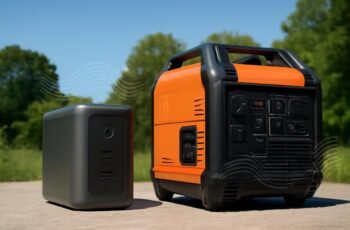
Portable power stations provide unmatched flexibility for outdoor and emergency applications due to their portability and ease of use. Their compact design enables convenient transport for activities like solar camping, where reliable portable energy is essential. They support a range of devices, from small electronics to critical appliances, without dependence on grid access. In emergency scenarios, they serve as immediate power sources, offering reliable energy independence during outages or natural disasters. The ability to recharge via solar panels enhances their utility in remote locations, providing sustainable, renewable power. This adaptability makes portable power stations ideal for outdoor enthusiasts and emergency preparedness, as they combine technical robustness with user-friendly operation, ensuring continuous, flexible energy supply regardless of location or situation.
Why Grid-Tied Backup Systems Provide a Permanent, Scalable Home Energy Solution
Grid-tied backup systems guarantee a continuous power supply, eliminating outages and enhancing reliability. They are designed for easy scalability, allowing homeowners to expand capacity as needed without significant infrastructure changes. Over time, these systems reduce costs by integrating seamlessly with existing utility infrastructure and minimizing reliance on standalone solutions.
Continuous Power Supply
Because they are directly connected to the utility grid, grid-tied backup systems can provide a continuous and reliable power supply that adapts seamlessly to household energy demands. This integration guarantees consistent operation by managing:
- Real-time load balancing, maintaining stable power during fluctuations.
- Solar efficiency maximization, maximizing energy harvest without interruption.
- Battery lifespan management, reducing wear through controlled charging cycles.
These systems leverage grid connectivity to supplement or replace stored energy, ensuring no downtime during outages or peak loads. The constant connection minimizes reliance on energy storage, preserving battery lifespan and ensuring uninterrupted power. This setup guarantees a scalable, permanent solution for home energy needs with minimal maintenance and peak performance over time.
Easy Scalability Options
As household energy demands evolve, the scalability of backup systems becomes a critical factor in guaranteeing long-term reliability. Grid-tied backup systems excel in this regard, offering straightforward solar integration that seamlessly expands capacity as needed. Additional solar panels can be integrated without complex modifications, enabling continuous optimization of energy production. Furthermore, these systems facilitate battery lifespan management through modular configurations, allowing batteries to be upgraded or replaced independently, extending overall system longevity. This flexibility ensures that the infrastructure adapts to increasing energy needs without significant overhaul, providing a permanent, scalable home energy solution. Unlike portable options, grid-tied systems are designed for growth, making them an ideal choice for future-proofing energy resilience.
Reduced Long-Term Costs
Investing in a backup system that can grow with your energy needs translates into significant long-term savings. Grid-tied backup systems leverage advanced renewable integration and energy storage, reducing reliance on external power sources over time. Key advantages include:
- Cost efficiency: Lower operational expenses through optimized energy management and reduced energy bills.
- Scalability: Easy expansion with additional solar panels or energy storage units, enhancing capacity as your consumption grows.
- Longevity and maintenance: Durable components designed for long-term use, decreasing replacement frequency and associated costs.
These systems provide a permanent, scalable solution that adapts to evolving renewable integration technologies, ensuring ongoing savings and energy independence. Over the system’s lifespan, these factors combine to deliver a compelling economic advantage.
Comparing Cost, Installation, and Maintenance for Both Backup Options
When evaluating backup power options, cost, installation complexity, and ongoing maintenance are critical factors that distinguish portable power stations from grid-tied systems. Portable units typically have higher initial costs but offer superior cost efficiency through battery longevity and reduced infrastructure requirements. Installation for portable stations is minimal, often requiring only basic setup, which lowers upfront expenses. Conversely, grid-tied systems demand extensive electrical work, permits, and integration with existing infrastructure, increasing both costs and complexity. Maintenance for portable stations involves periodic battery checks and replacements, which can be more manageable and predictable, while grid-tied systems require ongoing inspections, inverter servicing, and utility interactions. Overall, portable power stations excel in low-cost, straightforward deployment, whereas grid-tied systems entail higher upfront investments with more complex maintenance routines.
Evaluating Reliability and Performance in Different Outage Scenarios
In evaluating reliability and performance during power outages, portable power stations and grid-tied backup systems exhibit distinct operational characteristics that influence their effectiveness. Portable units rely on advanced battery technology and energy storage capacity to deliver immediate, localized power. Their performance during outages depends on:
- Battery capacity and cycle life, which determine how long and reliably they can sustain critical loads.
- Charging versatility, ensuring quick recharging via solar or AC sources.
- Discharge efficiency, affecting the stability of power supplied during sustained outages.
Conversely, grid-tied systems benefit from the grid’s continuous energy supply, but their reliability diminishes during grid failure. Both options require precise evaluation based on outage duration and load demands for ideal performance.
Which Backup System Is Easier to Use and Maintain?
Evaluating ease of use and maintenance between portable power stations and grid-tied backup systems requires examining their operational complexity and user requirements. Portable power stations generally offer straightforward operation, with minimal user training needed, making them accessible for most users. They typically feature user-friendly interfaces and require periodic checks on battery longevity, which influences maintenance frequency. Conversely, grid-tied systems are more complex, often involving integration with existing electrical infrastructure, advanced monitoring, and professional installation, increasing the need for specialized user training. Maintenance for grid-tied systems may focus on inverter health and system calibration, whereas portable units demand less technical oversight. Overall, portable power stations tend to be easier to operate and maintain, especially for users without technical backgrounds.
Making the Right Choice: Practical Tips for Selecting Your Backup Power Solution
Selecting the appropriate backup power solution requires a clear understanding of your specific energy needs, budget constraints, and technical capabilities. To optimize your choice, consider these factors:
- Battery chemistry: Lithium-ion offers high energy density and longevity, while lead-acid provides affordability but lower cycle life.
- Renewable integration: Confirm compatibility with solar or wind sources if sustainability is a priority, influencing system design and capacity.
- Scalability and maintenance: Evaluate whether the system can expand easily and requires minimal upkeep, impacting long-term reliability and cost.
Balancing these aspects helps determine whether a portable power station or a grid-tied backup system aligns with your technical requirements and sustainability goals.
Frequently Asked Questions
Can Portable Power Stations Charge Multiple Devices Simultaneously?
Yes, portable power stations can charge multiple devices simultaneously, leveraging their renewable integration capabilities and substantial battery capacity. This enables efficient power distribution, supporting diverse device needs during outages or remote operations with precise, reliable energy management.
What Is the Typical Lifespan of a Grid-Tied Backup System?
Like a fine vintage, grid-tied backup systems typically last 10-15 years, with battery degradation and maintenance requirements influencing lifespan. Regular inspections and timely replacements help guarantee reliable backup power, making longevity a critical factor.
Are Portable Power Stations Environmentally Friendly?
We believe portable power stations are environmentally friendly because they leverage renewable energy sources, reducing overall carbon footprint. Their compact, efficient design minimizes resource use, making them a sustainable alternative for eco-conscious users seeking clean, portable power solutions.
How Quickly Can Each System Restore Power After an Outage?
Think of a portable power station as a sprint, restoring power in minutes due to its high battery capacity and quick recharge time. Conversely, grid-tied systems are like marathons, gradually restoring power, often almost instantaneously, thanks to their connection to the main grid.
Do Portable Power Stations Require Professional Installation?
Portable power stations generally don’t require professional installation due to their simple setup, reducing installation complexity and cost considerations. We find they offer a user-friendly, cost-effective solution, perfect for quick deployment without the need for specialized technical expertise.
Conclusion
Ultimately, choosing between portable power stations and grid-tied systems depends on our specific needs and priorities. While portable units offer unmatched flexibility like a Swiss Army knife for outdoor and emergency scenarios, grid-tied systems provide a steady, scalable backbone for long-term home energy. By weighing factors like cost, reliability, and installation complexity, we can make an informed decision—ensuring our power solutions are as dependable as the rising sun, illuminating our path forward.